Breakdown in Transatlantic Relations Not Just a Dropped-Chain Moment for European Defense
2026-02-11
 Wolfgang Ischinger, former German ambassador to the United States and long-time chairman of the Munich Security Conference, sat down for an interview with Politico’s February 10, 2026 Berlin Playbook Podcast ahead of the Munich Security Conference 2026.
During the interview, Ischinger discusses transatlantic relations and poses the question whether the breakdown in trust between the United States and Europe is a situation akin to a dropped chain on a bike, or something more serious.
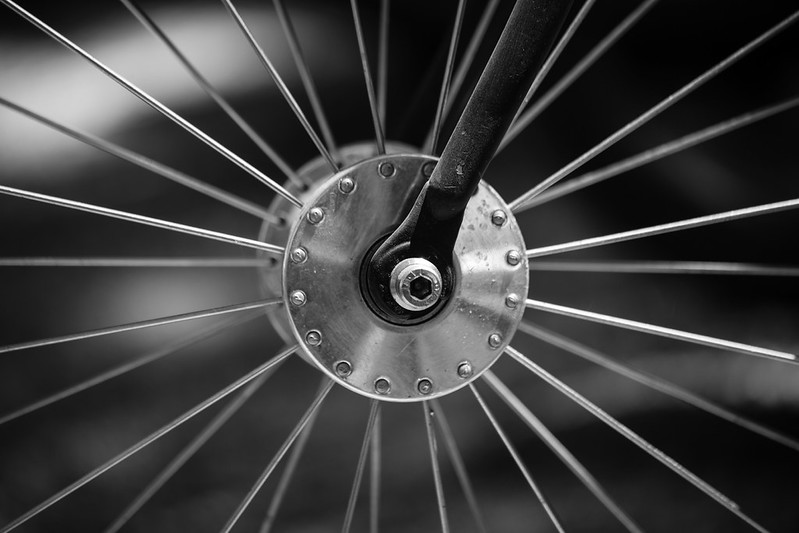
I think it is something more serious given European dependence on the US in defense matters. NATO operates a hub and spoke model, the US providing the hub and NATO allies serving as spokes that connect to it, forming a wheel. Without the US, the wheel of European defense collapses.
Therefore, anything less but continued, absolute, and ironclad US support for NATO should be viewed as a fundamental risk for European defense interests. The Trump administration casting doubt about whether it would come to the defense of European allies and its more recent swaggering threats against Denmark about acquiring Greenland, are signs that the hub of European defense is cracked.
Unlike a dropped chain, which can be simply placed back on its chainring, a cracked wheelhub compromises structural integrity and is a serious safety risk. The best thing to do is to replace it. Fast.
In the long-term European defense should be safeguarded by an integrated European military. In the medium term Europe needs to replace US-provided coordination, equipment, and capabilities with European alternatives. In the short term, we must resist the urge to rationalize US behavior and leave behind our self-inflicted strategic dependence by investing in European alternatives.
Once there is a structurally sound European wheel of defense, it would be fantastic if the US and Europe could agree to hitch their wheels to the same wagon and drive in the same direction.
Photo courtesy Robert Couse-Baker (CC BY 2.0).